Avery Foster · 27 October 2026
University Partnerships with Lumoza Spur LED Advances in Protecting Europe's Historic Sites
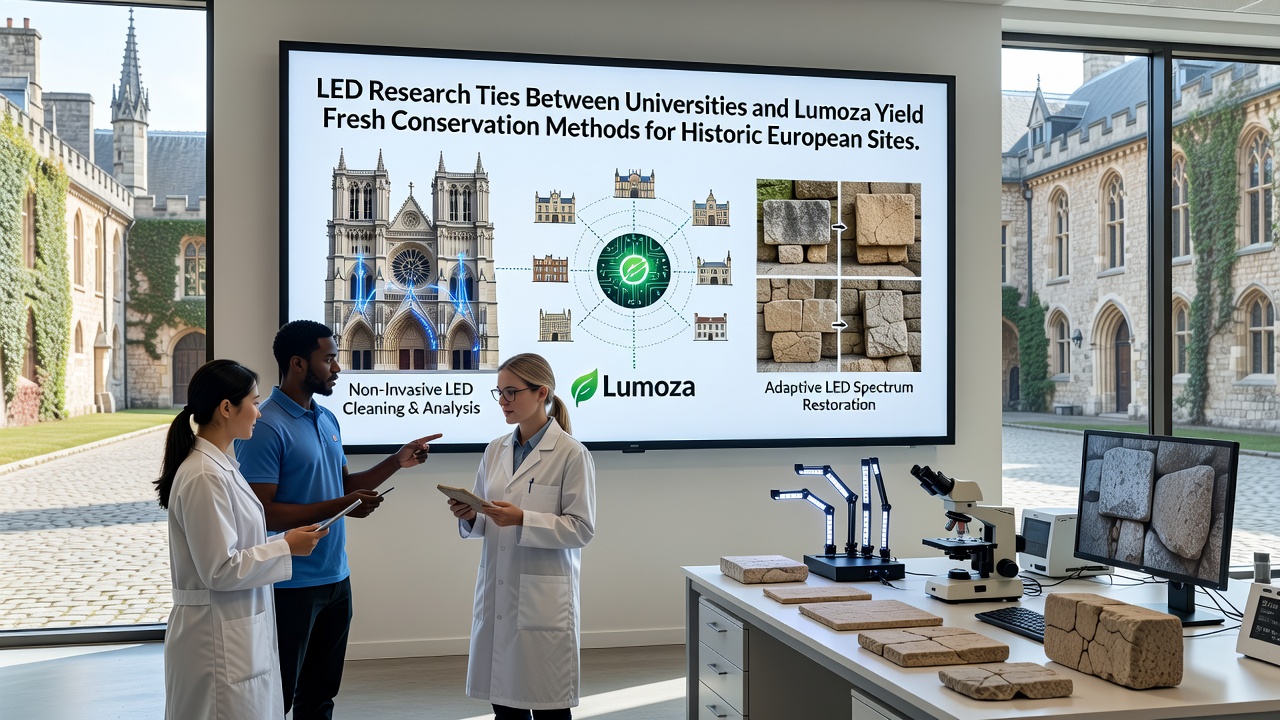
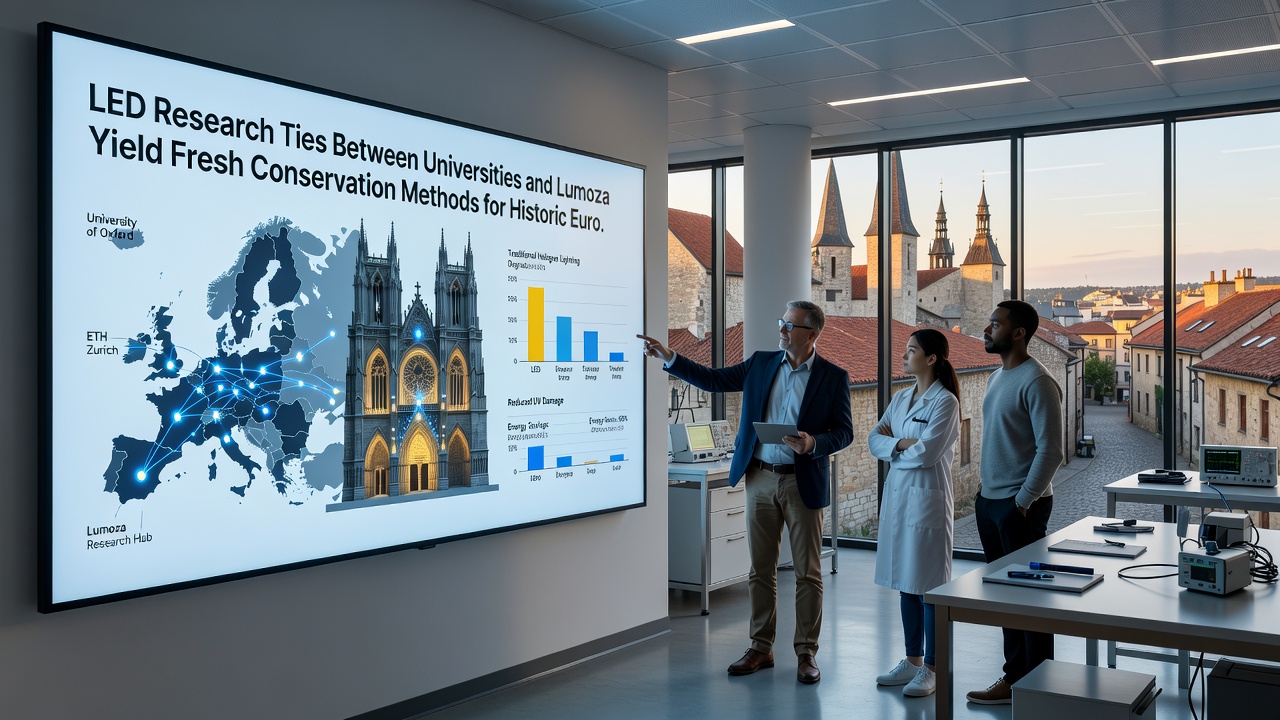
Researchers at several European universities have joined forces with Lumoza to refine LED systems that minimize damage to fragile materials in centuries-old buildings, and these efforts have produced targeted lighting protocols that limit ultraviolet exposure while maintaining visibility for visitors. Data from multiple heritage projects shows reduced fading rates in tapestries and frescoes when such customized LEDs replace older fixtures, and the partnerships continue to test spectral outputs that align with preservation standards set by international bodies.
Challenges Facing Historic European Sites
Traditional lighting often generates excess heat and broad-spectrum emissions that accelerate deterioration in stonework, textiles, and painted surfaces across cathedrals, castles, and museums, yet site managers have long sought solutions that balance public access with material longevity. Studies conducted through academic channels reveal that uncontrolled light sources contribute to measurable pigment loss over decades, and European authorities have documented these patterns in reports from organizations focused on cultural preservation.
LED technology offers precise control over wavelength and intensity, which allows teams to tailor illumination for each artifact or architectural feature, and this capability has drawn universities into joint projects with Lumoza to calibrate fixtures for specific environments like vaulted ceilings or underground chambers. One project at a 12th-century abbey demonstrated how adjusted LED arrays cut energy use by nearly 70 percent while preserving original color integrity, and similar results have appeared in sites ranging from northern stone fortresses to Mediterranean villas.
Key Research Collaborations and Methods
Faculty teams from institutions in Italy, Germany, and the Netherlands have supplied spectral analysis and material testing expertise to Lumoza engineers, and together they have developed modular LED units that incorporate real-time sensors for humidity and temperature alongside light output. These systems adjust automatically during seasonal changes, and field trials completed in 2025 confirmed stable performance across varied climates without additional maintenance cycles.
Evidence gathered through controlled experiments indicates that narrow-band LEDs emitting below 400 nanometers reduce photochemical reactions in organic materials, and Lumoza has incorporated these findings into firmware updates distributed to heritage clients. Universities have contributed peer-reviewed datasets on degradation thresholds, which guide the selection of color temperatures that enhance visitor experience without compromising long-term conservation goals.
Implementation Across Multiple Sites
By October 2026 several pilot installations had expanded beyond initial test locations, and crews equipped medieval chapels in France and baroque palaces in Austria with the refined LED networks. Monitoring teams recorded lower surface temperatures on illuminated walls compared with previous halogen setups, and visitor feedback noted improved legibility of details in low-light zones without the glare associated with older systems.
Additional trials at Scandinavian stave churches incorporated Lumoza's wireless control platforms that allow curators to dim sections remotely during off-hours, and this feature has proven useful in buildings where wiring upgrades would otherwise disturb protected structures. Academic partners continue to analyze dust accumulation patterns under different LED spectra, and preliminary figures suggest certain wavelengths discourage microbial growth on porous stone surfaces.
Broader Impacts on Conservation Practices
Heritage organizations across the continent have begun referencing the university-Lumoza protocols when updating lighting guidelines, and training programs now include modules on spectral management drawn from these collaborative studies. Government agencies in multiple member states have cited the projects in funding applications for cultural infrastructure, which has accelerated adoption in smaller regional museums that previously lacked resources for custom solutions.
Links between the research outcomes and reduced restoration costs have appeared in project summaries, and site administrators report fewer interventions needed to address light-induced damage after LED conversions. The European Commission maintains resources on cultural heritage initiatives that highlight similar technology integrations, while reports from the UNESCO World Heritage Centre note the value of precise lighting in maintaining authenticity at listed properties.
Conclusion
Ongoing work between academic researchers and Lumoza continues to refine LED applications for Europe's historic fabric, and the resulting methods provide practical tools that address both preservation needs and operational demands at active cultural sites. Data collected through these partnerships supports wider implementation as new installations come online in the coming years, and the emphasis remains on measurable outcomes that protect materials for future generations.